Home · Services · Soot Removal
Soot Removal in Bloomfield Hills, MI
Quick answer
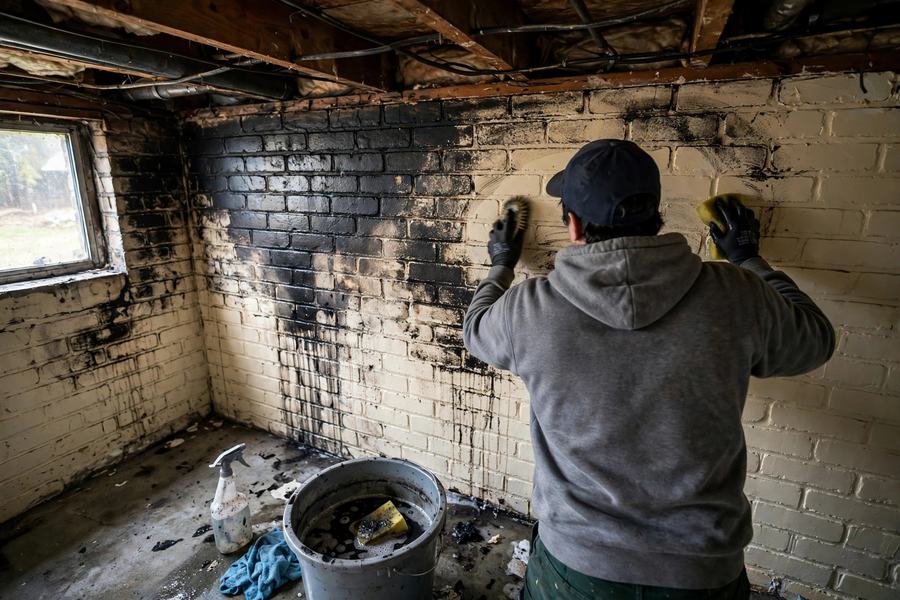
Soot identified by fuel before a surface is touched: fireplace dry soot, furnace oil film, or protein residue, each with its proven test patch.
Soot removal divides by fuel as everywhere, but the Bloomfield Hills mix has its own proportions: wood burning fireplaces and furnace systems in houses built when both were central. A chimney event lays dry soot with a creosote note; a furnace puffback lays the oily kind through the ducts. The removal plan names the soot before the first surface is touched, and in paneled and plastered rooms it names the test patch that proved the method.
Signs you need soot removal
- Black web like strands (soot tags) hang in corners and doorways
- Soot smears when touched and will not vacuum up cleanly
- Chrome, faucets, and appliances show early tarnish or pitting
- Soot is visible inside cabinets, closets, and on blinds
What the job involves
What affects the price
- How heavy the soot load is and how many rooms it covers
- Surface types involved: painted drywall, tile, real wood, and stone all clean differently
- Whether soot reached the HVAC system and ducts
- How long soot has sat, since etching and staining are time dependent
- Contents volume: blinds, shades, and fabrics hold soot deep
When it is an emergency
Soot is the clock in a fire loss. Within 24 to 48 hours its acidity starts permanent damage to metals, grout, and finishes, and within days it can yellow plastics and set stains that cleaning cannot reverse. Do not vacuum it with a household machine and do not wet wipe it; both spread it.
PLACEHOLDERSoot Removal across the Bloomfield Hills area
Related services
Fire Damage Restoration
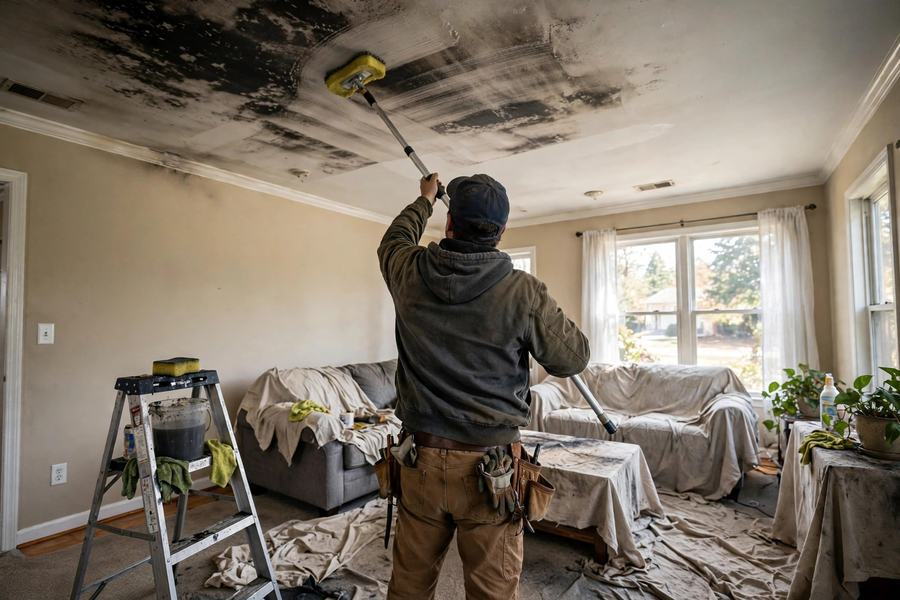
Restoration at estate scale: securing, water, and freeze protection first, then smoke read material by material across plaster, paneling, and stone.
Emergency Board Up and Tarping
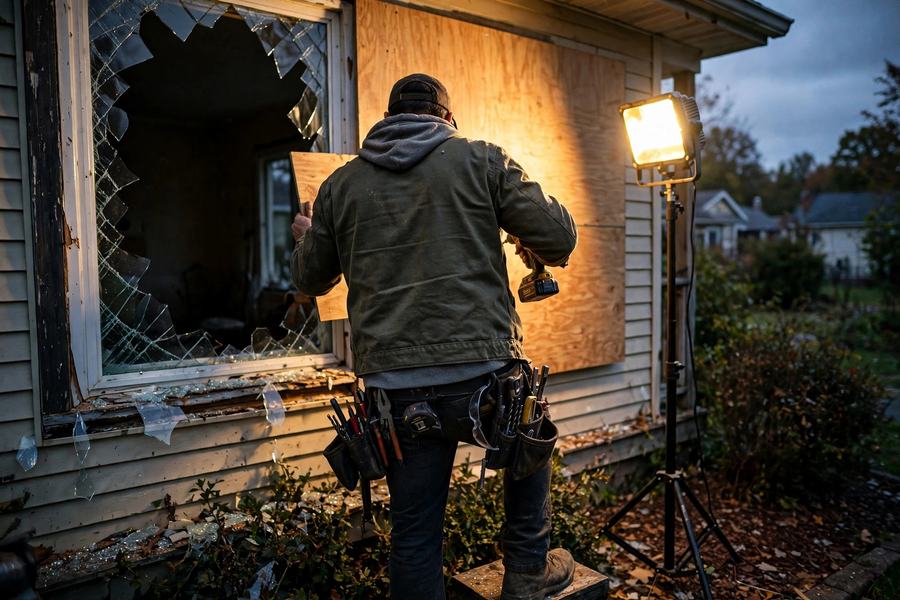
Same night securing of estate homes against winter and attention, roof sections protected without harming slate or tile courses.
Smoke Damage Cleanup
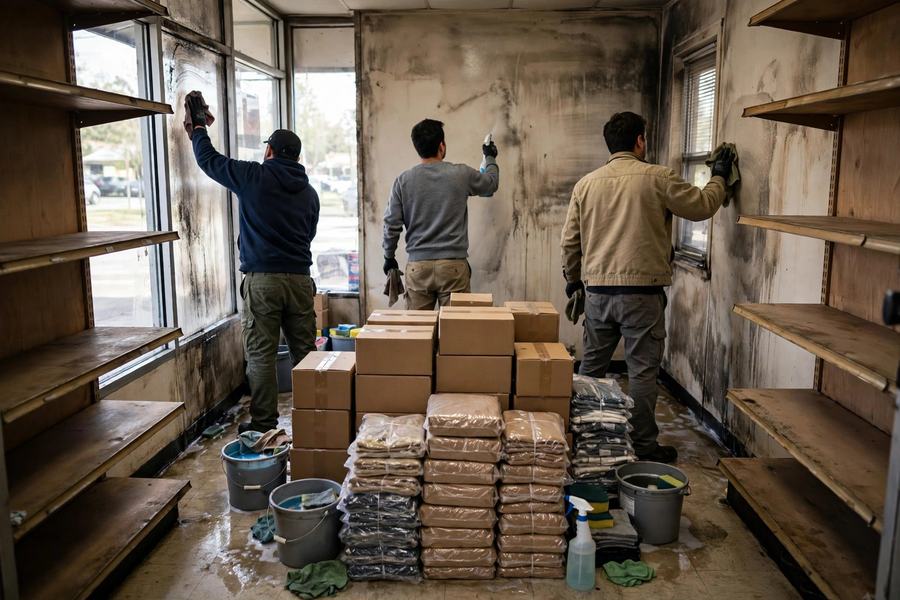
Smoke cleaning tested per material in high ceilinged rooms, long duct runs treated as part of the house from the first scope.

Contents Cleaning and Pack Out
Inventory at depth: art, antiques, rugs, and libraries documented in place and routed to specialists, general contents cleaned by the crew.
Soot Removal questions, answered
When is soot removal an emergency?
Soot is the clock in a fire loss. Within 24 to 48 hours its acidity starts permanent damage to metals, grout, and finishes, and within days it can yellow plastics and set stains that cleaning cannot reverse. Do not vacuum it with a household machine and do not wet wipe it; both spread it.
What affects the price of soot removal in Bloomfield Hills?
The main price factors for soot removal are covered in the cost section above. The contractor confirms the exact price in a written estimate after seeing the job, and nothing is owed until you approve it. The call and the referral are free.
What should I do first after a house fire in Bloomfield Hills?
Safety first, always: do not re-enter until the fire department says the structure is safe. Then, in order: call your insurer to open the claim, arrange board up for any broken windows, doors, or roof damage so the home is secure that night, and do not wipe soot, wash walls, or run the heating and air system, because all three spread the damage. Photograph everything before anything is moved or thrown away, and keep receipts for any emergency spending.
Can I stay in my home after a fire?
If the fire department or your insurer's assessment says the home is unsafe or uninhabitable, no, and loss of use coverage may pay for a hotel or rental in the meantime. For a contained fire (a kitchen fire with smoke through the house, for example) staying is sometimes possible after the assessment, but smoke residue is a respiratory irritant, the HVAC should stay off until ducts are checked, and children, older adults, and anyone with asthma should be cautious. Ask the question directly at the assessment and get the answer in the scope notes.
How long does fire restoration take?
Smoke only losses typically take one to two weeks from first cleaning to odor treatment. A fire that damages structure runs to months: one or two rooms with structural work commonly take three to six weeks of active repair, and larger structural losses can run three to nine months including permits and inspections. The variables are the scope the insurer approves, material lead times, and inspection scheduling. A contractor should give you a phase timeline in writing, not a single date promised on the phone.
Request a callback
Prefer to talk later? Leave your details and an independent local pro will call you back. No charge to you, no obligation.
Quarton Lake Fire Restoration is a free referral service. Submitting this form connects you with independent local contractors who provide the work.